Mt. Gongga West Face (Minya Konka), Sichuan · 6 days / 5 nights · Moderate–Challenging (3.5/5) · max ~4,550 m (Lengga Lake) · $110/day · $663 total per person
Duration6 days / 5 nights
DifficultyModerate–Challenging (3.5/5)
Max altitude~4,550 m (Lengga Lake)
Best seasonJuly–November — the window when Zuoruo Lake actually holds water
Group sizeSmall group of 4–24 (guide-to-guest ratio of at least 1:6; runs from 4 people, full refund if it doesn't fill)
LanguageEnglish-speaking support is arranged by Inglite throughout; the mountain crew are the operator's own local staff.
Five mirror lakes beneath the King of Sichuan's Mountains
Highlights
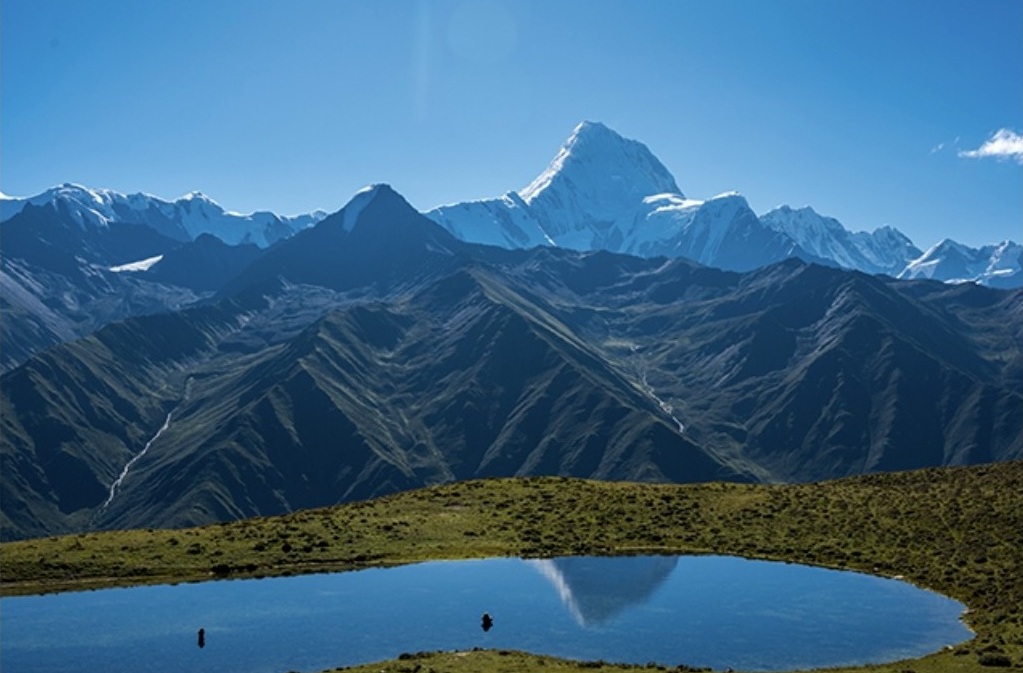
Lengga Lake (4,550 m) — the mirror under Gongga
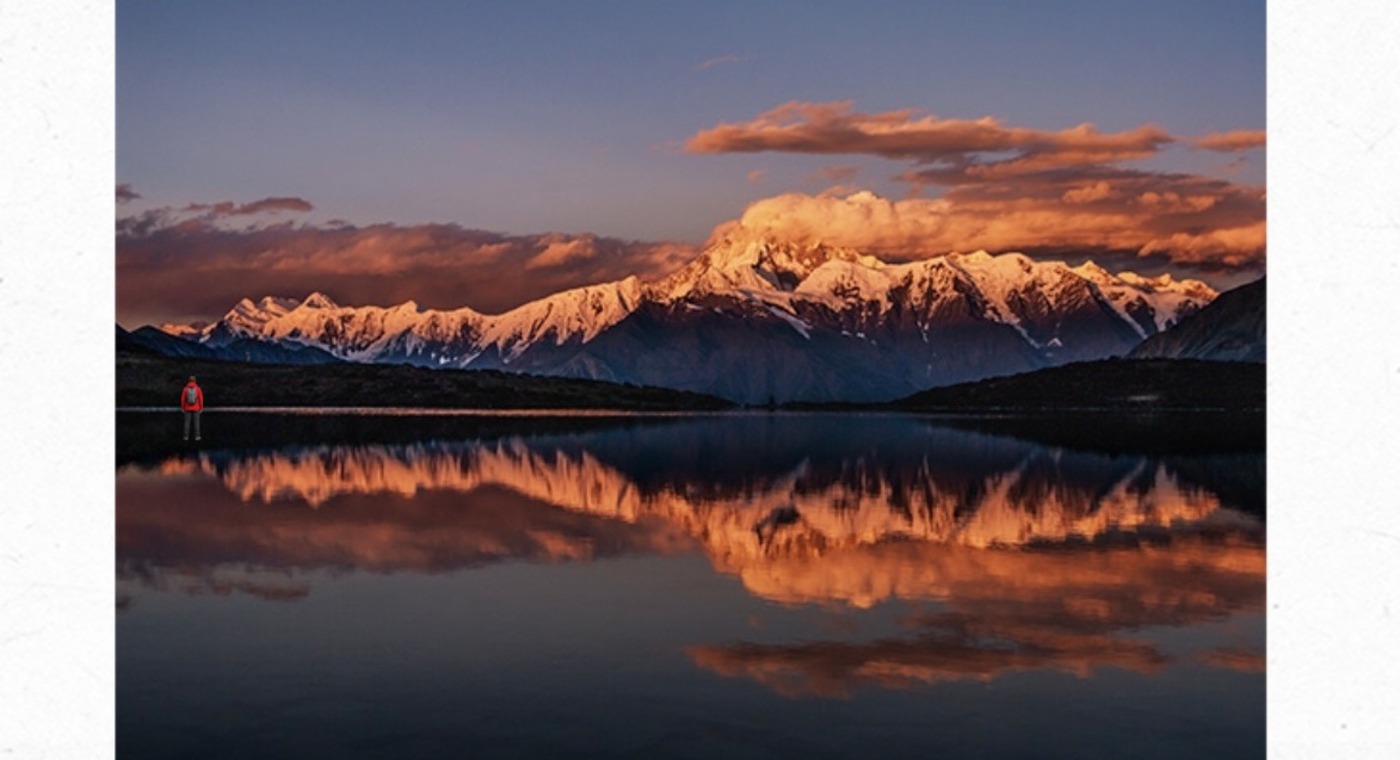
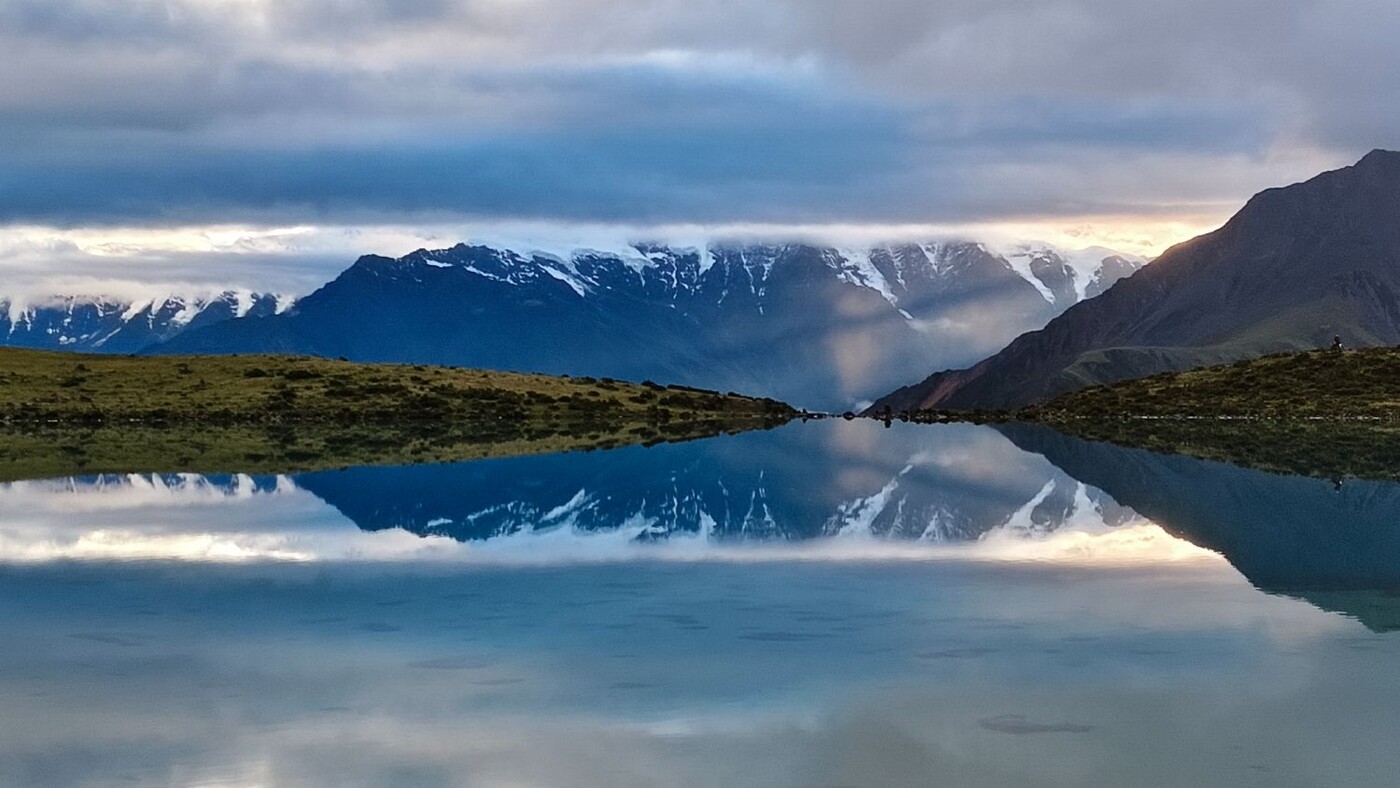
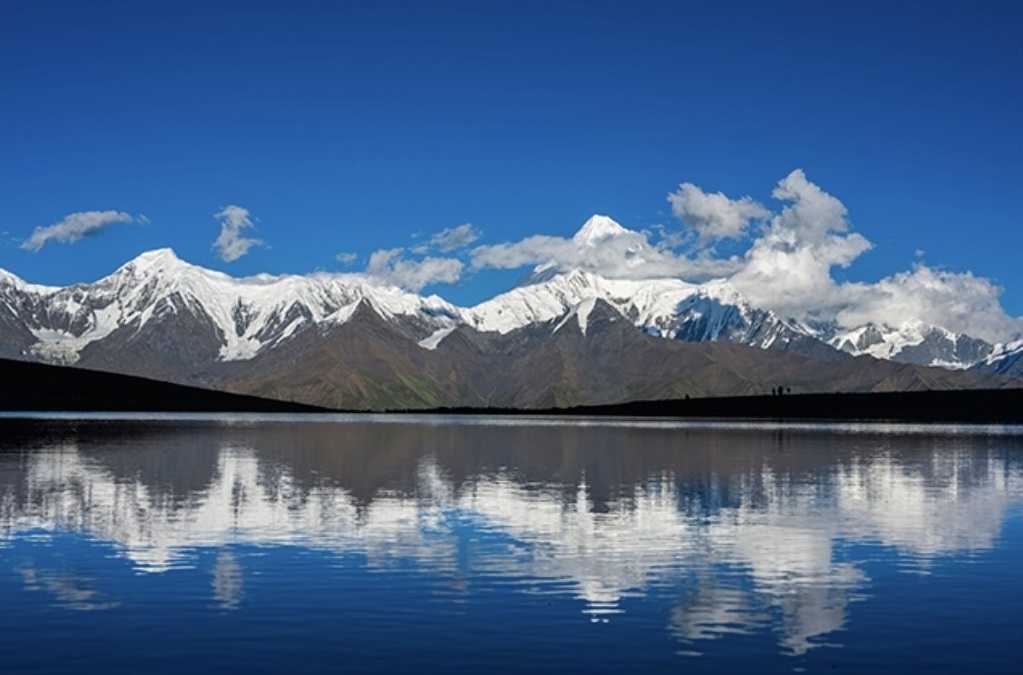
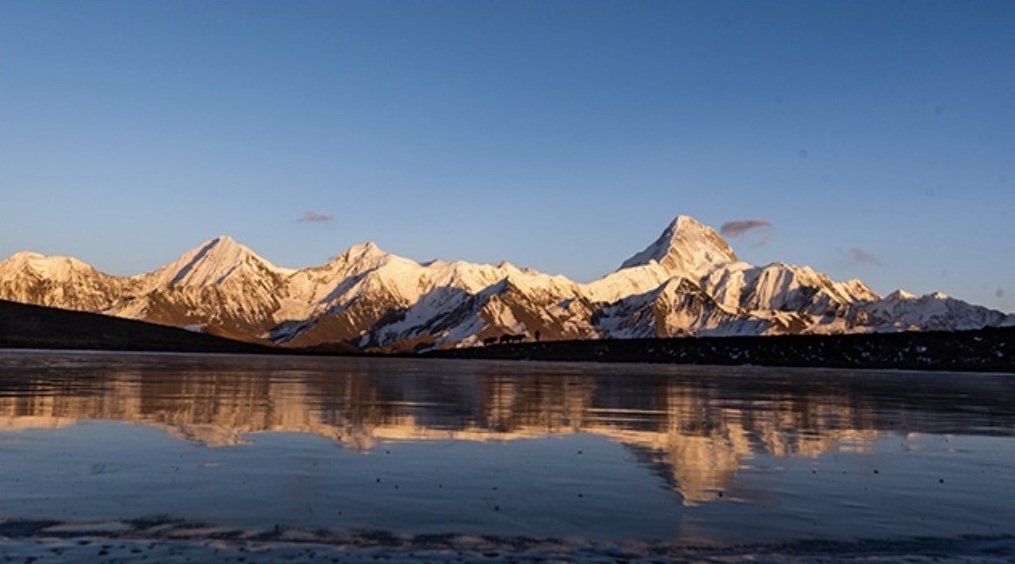
The supplier calls it "the dream mirror beneath Mt. Gongga," and for once the brochure line is earned. At 4,550 m the water sits so still that the whole massif appears twice — once in the sky, once on the surface. You reach it in the afternoon and wait there for the alpenglow at sunset, then walk down to the village in the evening. This is the single image most people carry home from the route.
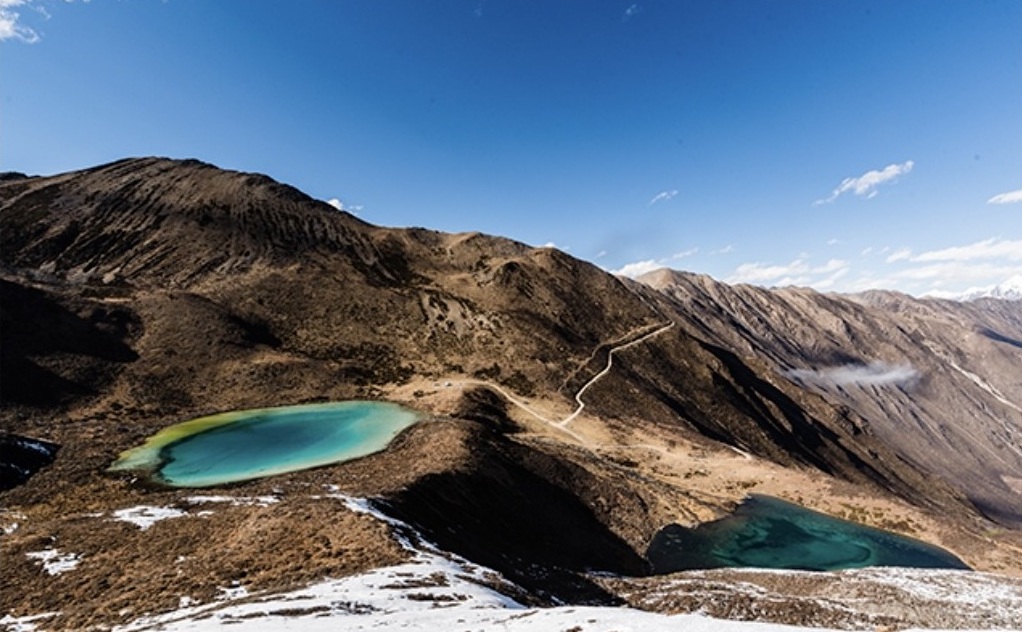
Sanencuo — the blue you see first
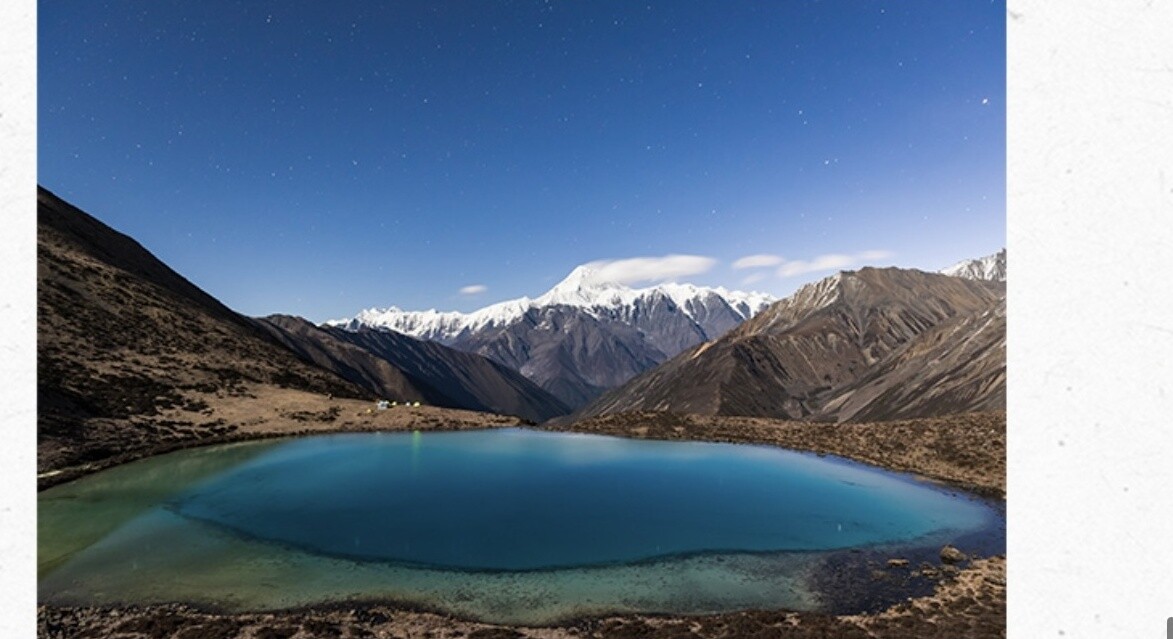
The first lake on the way up, and the one that catches people off guard. There is nothing in the water to muddy it; under sun it reads less like a lake than a sheet of blue silk laid across the grass, rippling. It is also where the massif finally shows you its full width.
Zuoruo Lake — Gongga's private jewel
The closest water to the summit that still holds a reflection: a small, quiet pool in an open meadow with the 7,509 m peak standing directly behind it. It is seasonal — there is only water here from July to November — which is part of why so few photographs of it exist.
Greater & Lesser Lisuo — a matched pair at 4,500 m
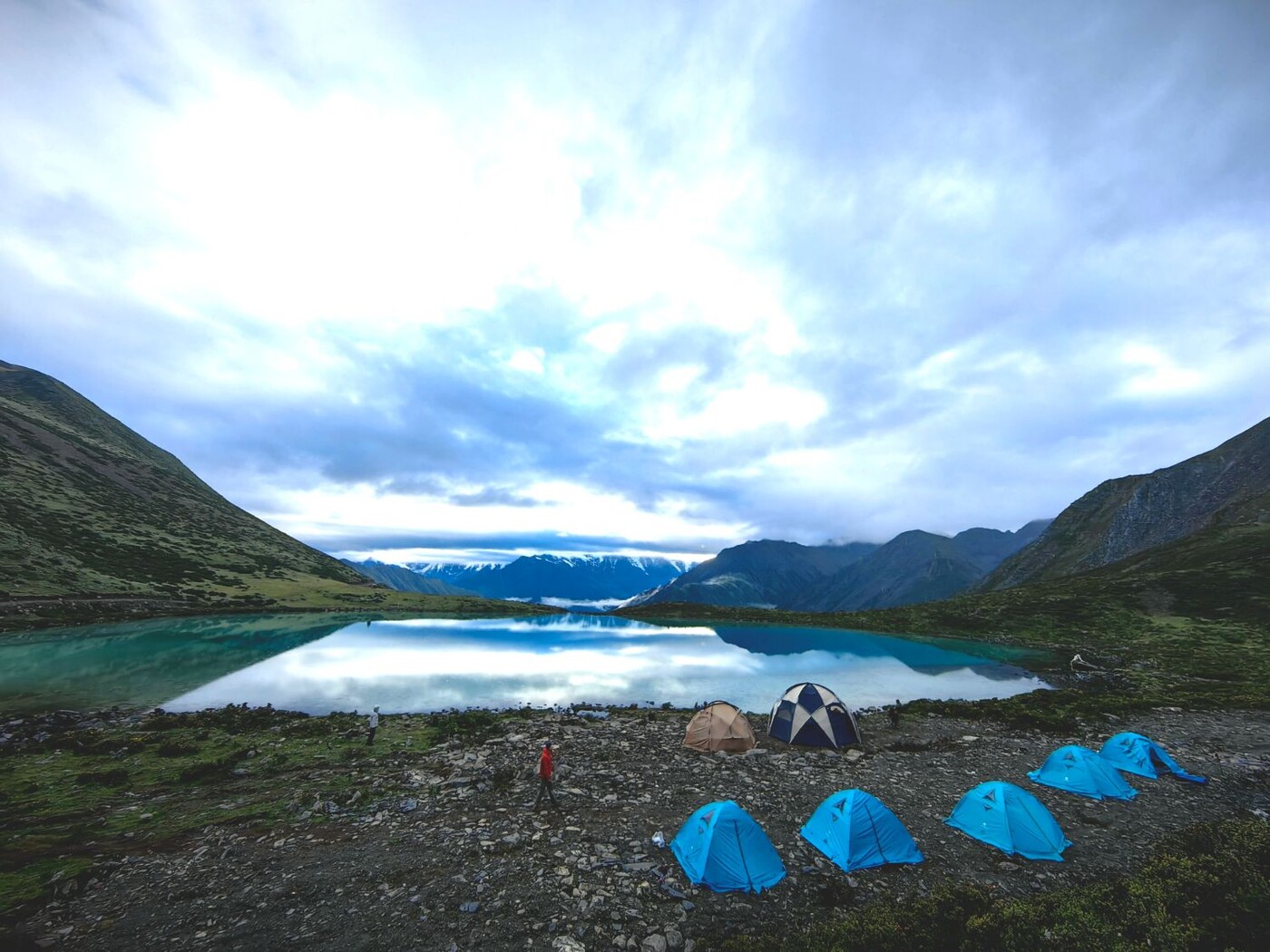
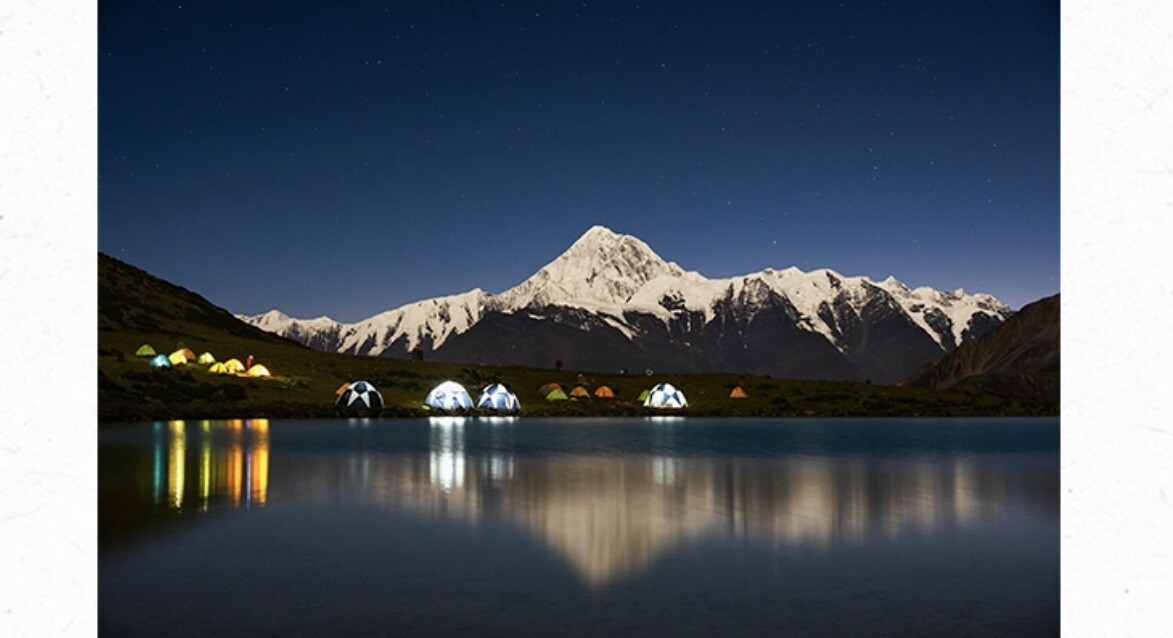
Two lakes, one large and one small, set side by side on the ridge. This is the trek's one night under canvas: camp goes up on the shore, the peaks go orange, and then the sky fills in. Far enough from anything that the quiet is the point.
The sacred mountain, and the ice it left behind
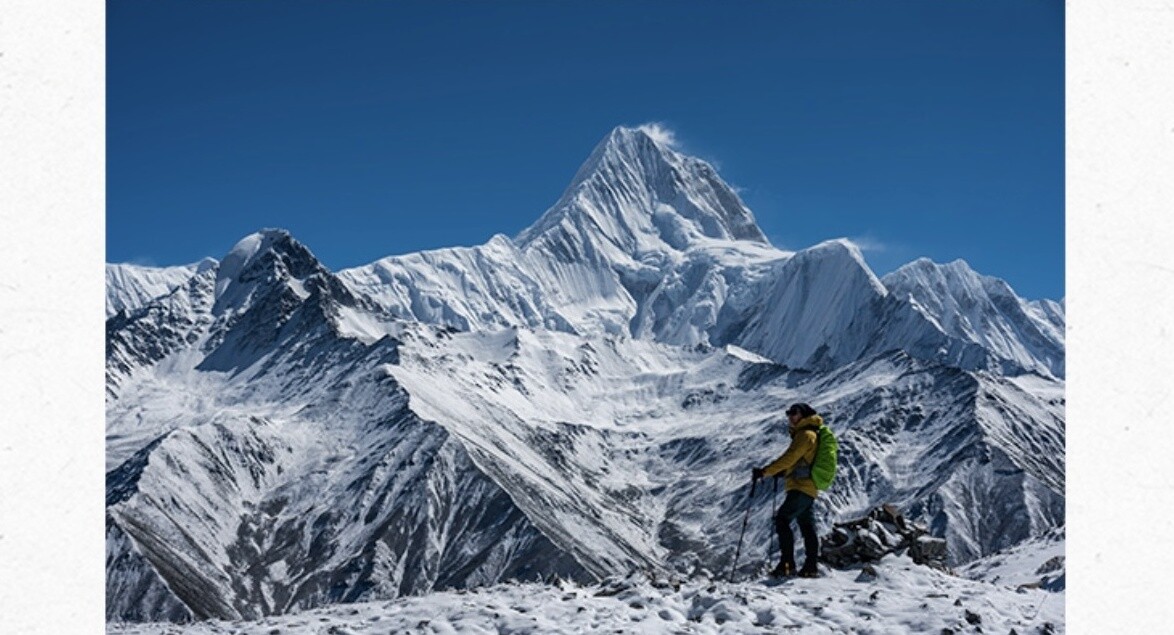
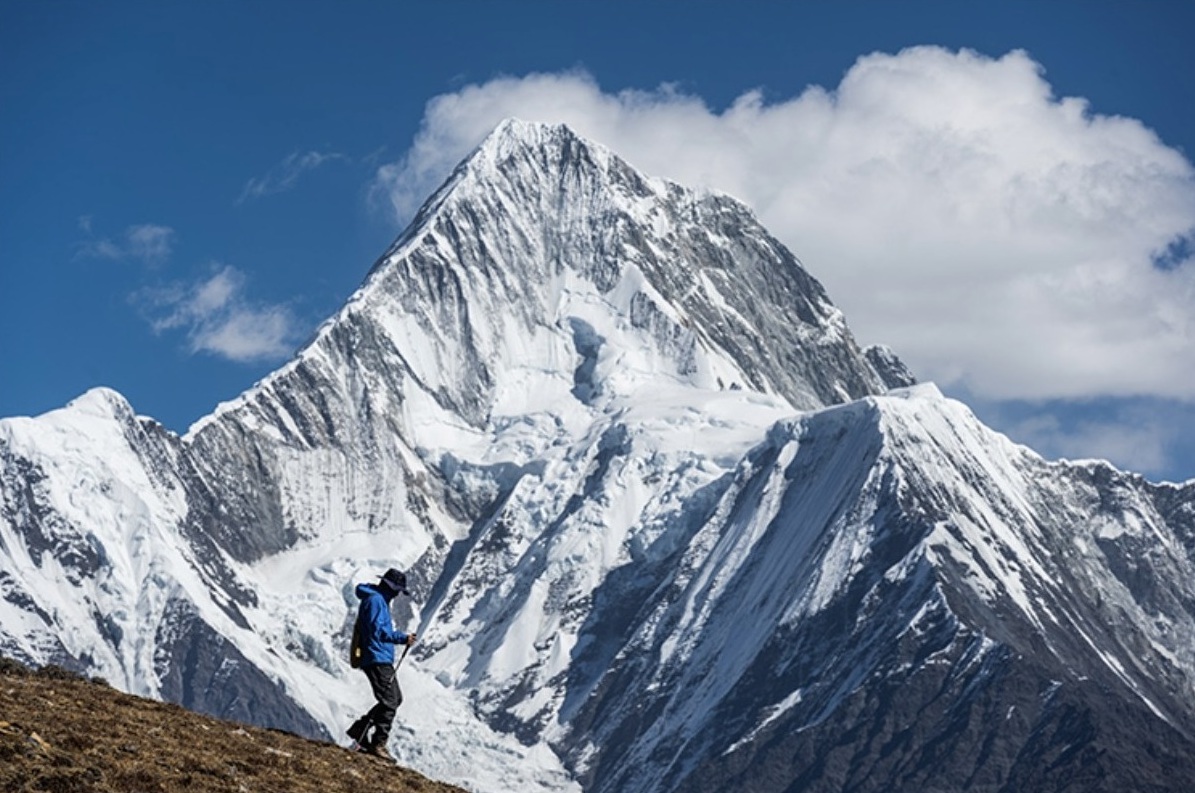
To Chinese trekkers Gongga is a "holy mountain" — the one that stays just out of reach and keeps pulling you back. Higher on the route you cross its leavings: glacial erratics scattered across the slope, boulders the size of rooms dropped where the ice gave them up. Put a hand on one and the scale of the place lands.
Where in China
📍 Sichuan Province · Mt. Gongga (Minya Konka), western China
What you'll do
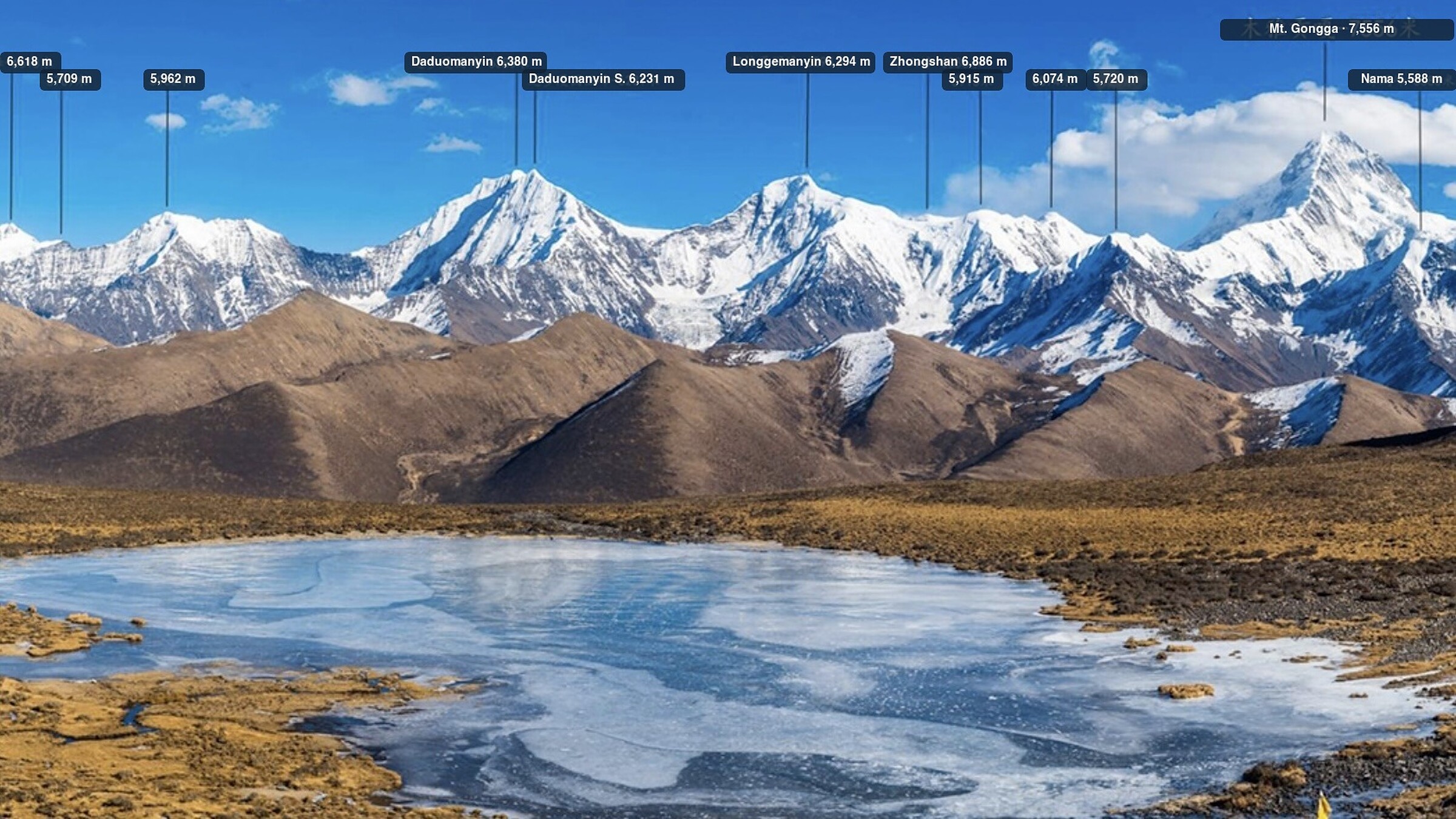
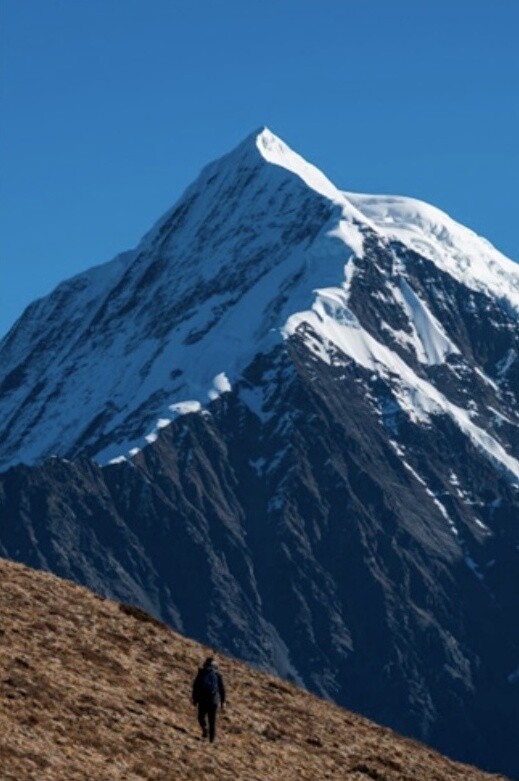
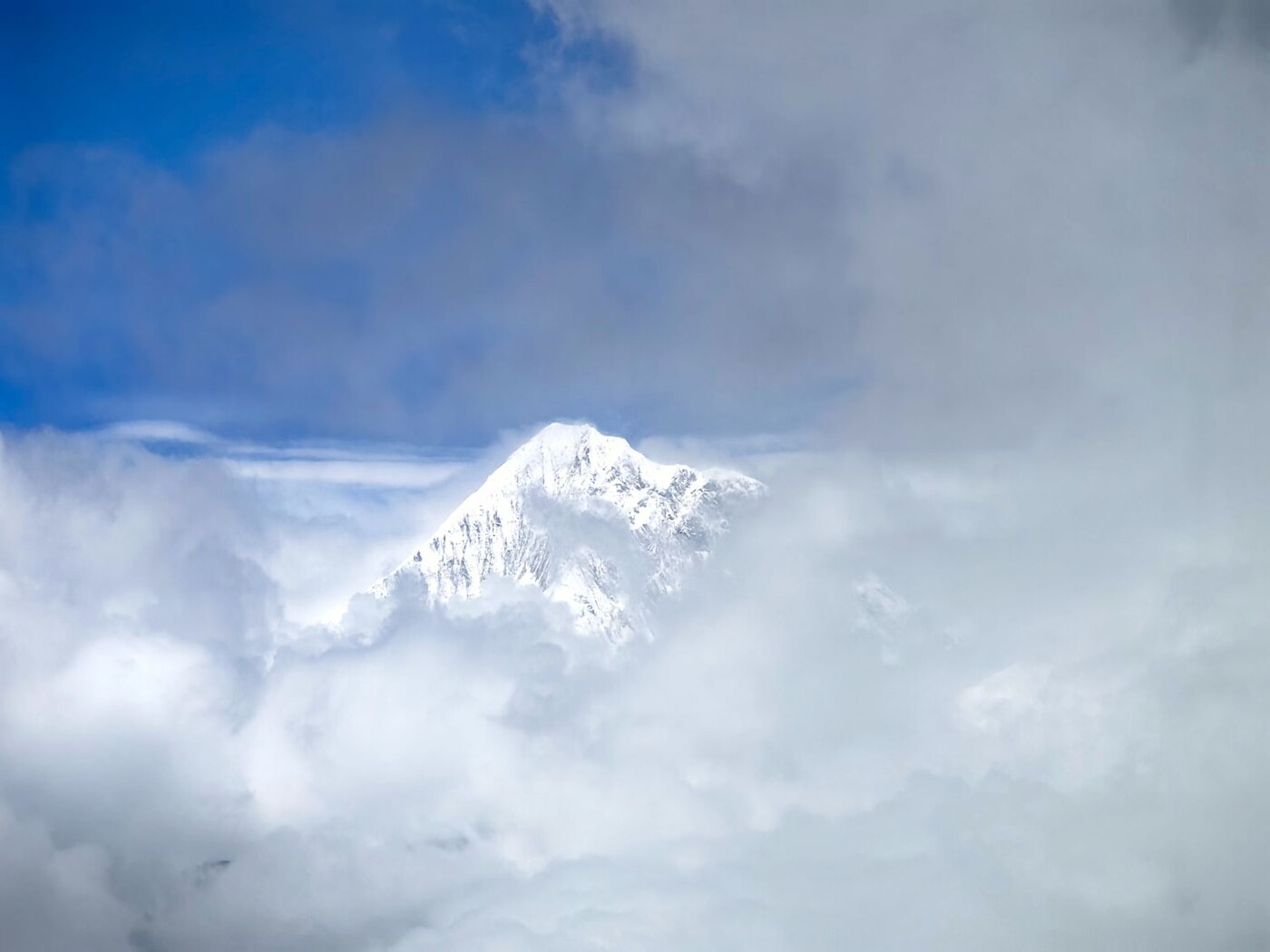
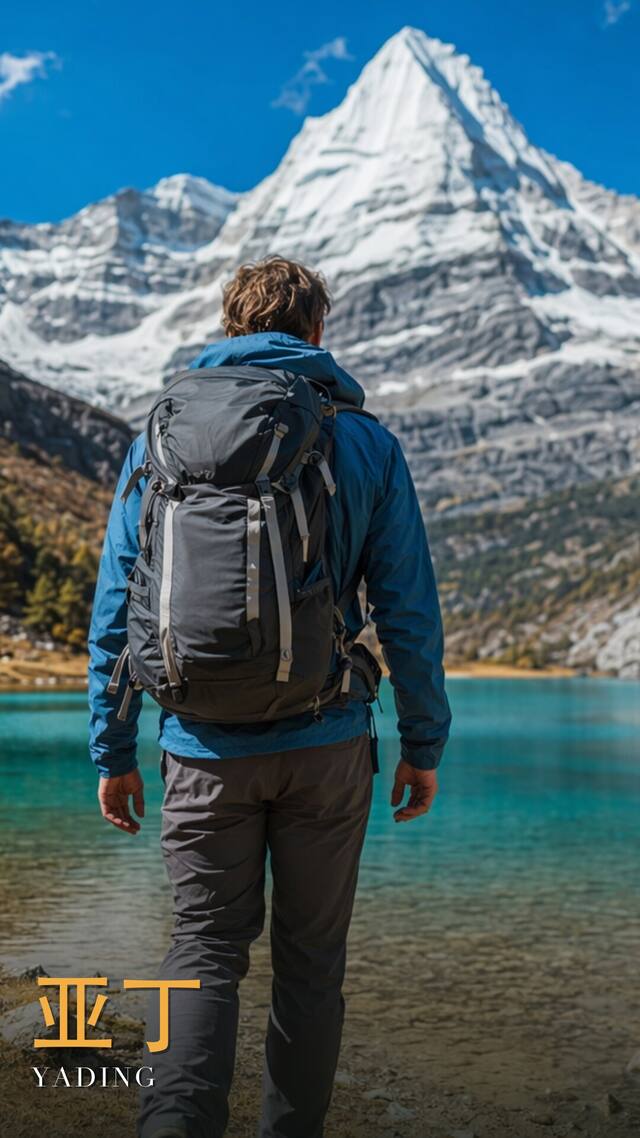
Mt. Gongga (Gòngga Shān, 7,509 m) — Minya Konka to Tibetans — is the easternmost 7,000-metre giant on Earth and the undisputed "King of Sichuan's Mountains." It stands at the eastern edge of the Tibetan Plateau, ringed by glaciers, and it is high enough and steep enough that it makes its own weather. Most days it hides. The days it doesn't are what this trek is built around.
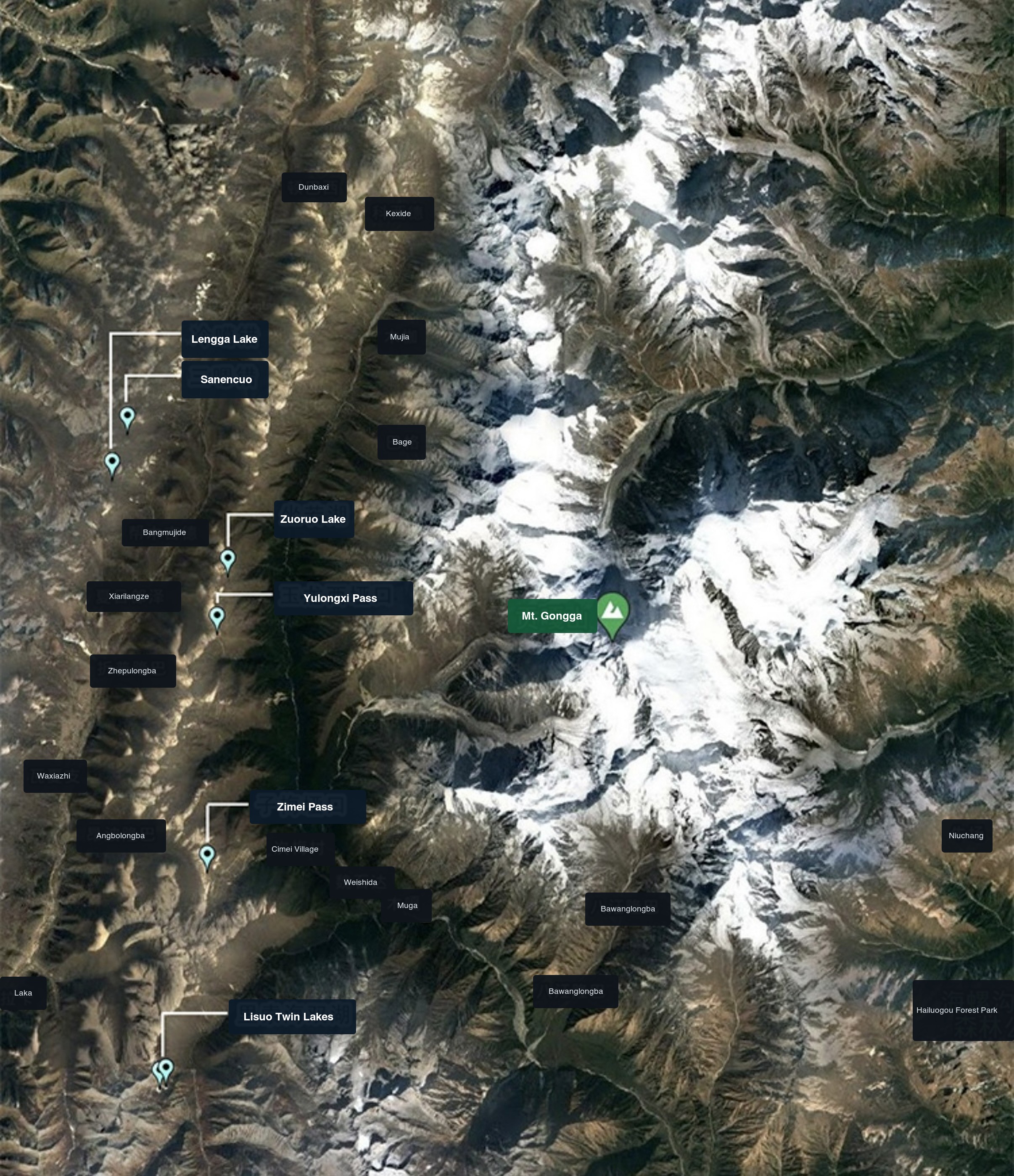
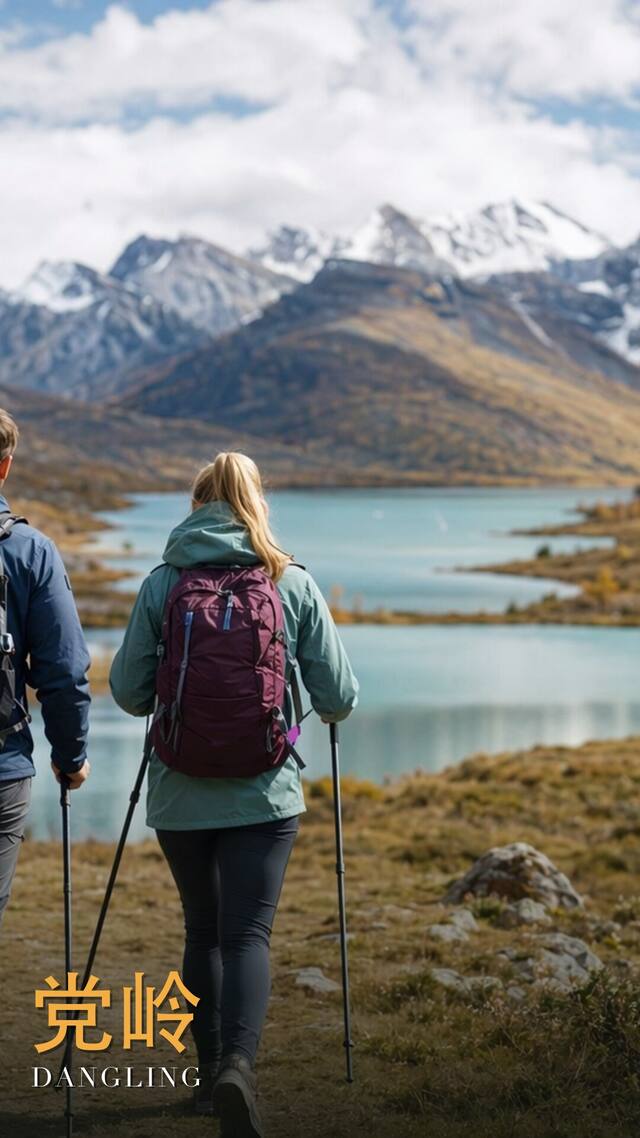
This is the west face, and it is a different proposition from the classic circuit. Rather than carrying everything over a chain of high passes, you work out of two Tibetan villages — Shangmuju at 3,750 m and Yulongxi at 3,800 m — walking out to five alpine lakes — each of which holds the mountain in its water at a different hour and a different angle.
Lengga Lake at 4,550 m is the one Chinese photographers plan whole trips around: on a still, clear afternoon Gongga's summit pyramid appears twice, once in the sky and once on the surface, and the last light of the day turns both of them gold. Sanencuo is the blue lake you pass on the way up, the first place the massif shows its full scale. Zuoruo is the closest reflecting water to the peak itself, tiny and seasonal — it only exists from July to November. And the Greater and Lesser Lisuo lakes sit paired on a ridge at 4,500 m, where you spend the trek's single night under canvas, watching the light leave the peaks and the stars arrive.
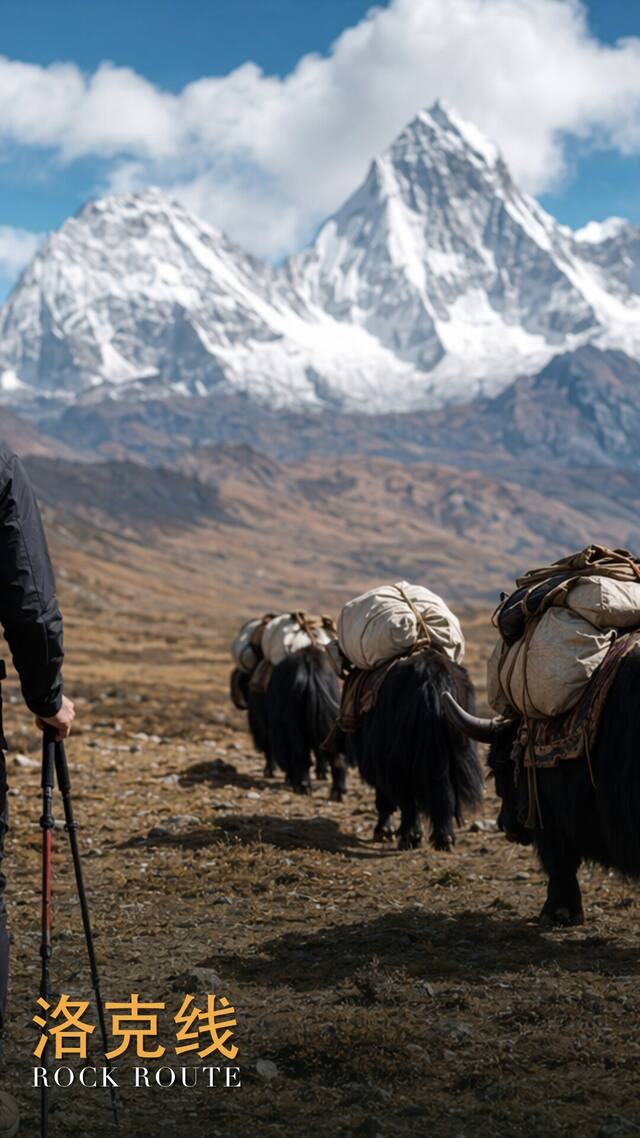
The walking is real but measured: four days on foot and roughly 43 km in total, with 600, 650 and 900 m of climbing on the three ascent days and a 900 m descent on the last. Pack animals carry the loads, so you walk with a daypack; vehicles move your main luggage between villages, so a wheeled case is fine. Most nights you come back to a village guesthouse rather than a tent — simple mountain rooms, not a hotel. Three nights at 3,750–3,800 m before the one night at 4,500 m means the acclimatisation is built into the route's shape rather than bolted on afterwards.
You reach it by road from Chengdu — a long, spectacular drive over the Zheduo Pass at 4,298 m, through Xinduqiao, and into the valleys below the west face. The crew are the operator's own local staff who work this mountain for a living, carrying a satellite phone, emergency oxygen and a pulse oximeter, and English-speaking support runs through Inglite for the whole trip.
If you want Himalayan-scale mountains without a Himalayan-scale expedition — and you care more about standing at the right lake at the right hour than about ticking off a pass — this is the one.
Day by day
Day 1
Arrive in Chengdu (500 m)
Meet in Chengdu; the day is yours. Your guide runs a briefing around 19:00 — kit check (boots, warm layers, headtorch, sunglasses), the altitude and pacing talk, and a walk through each day's distance and climb. Hotel is booked and paid for; confirmation comes about a week ahead. No meals are included today.
Day 2
Chengdu → Kangding → Shangmuju village (3,750 m) · ~460 km by road
A long but spectacular drive west over the Zheduo Pass (4,298 m) to Xinduqiao, then on to Shangmuju on Gongga's west face. Village guesthouses are your base for the next three nights — Shangmuju tonight and again on Day 4, Yulongxi in between. Tonight's dinner is the complimentary welcome meal at the guesthouse — Sichuan and local cooking, usually four dishes and a soup, or a hot pot.
Day 3
Shangmuju → Sanencuo → Lengga Lake (4,550 m) → Yulongxi village (3,800 m) · 13 km on foot, +600 m
A short drive to the trailhead at Bangmujide, then up. Sanencuo first, then a long traverse across the hillside to Lengga Lake — the reflection everyone comes for. You arrive in the afternoon and wait for the alpenglow at sunset before walking down to the guesthouse in the evening. Dinner there is included.
Day 4
Yulongxi → Yulongxi Pass → Zuoruo Lake → Shangmuju · 10 km on foot, +650 m
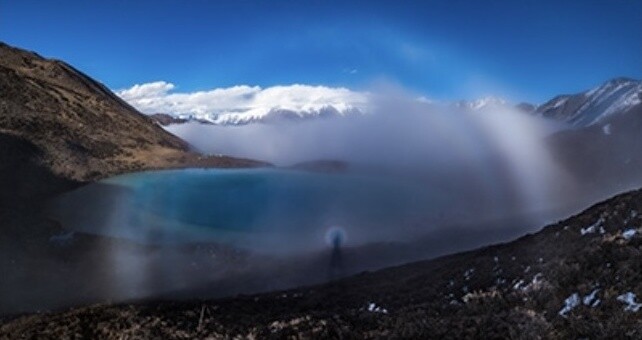
Up to Yulongxi Pass first, on the ridge east of the village: Gongga's summit is 15 km away across the Moxi valley, with a real chance of a sea of cloud beneath the peaks. Your own packed lunch on the ridge, then on to Zuoruo Lake — the closest water to Gongga that still holds a reflection, tiny, and only there from July to November — before dropping back to Shangmuju for the night. Tonight's dinner at the guesthouse is your own.
Day 5
Shangmuju → Lisuo Lakes camp (4,500 m) · 10 km on foot, +900 m
A slower start to let your body catch up. Vehicles take you to the trailhead; from there it's 5–6 hours of steady climbing to the lakes. Camp goes up on the shore in the afternoon — sunset on the peaks, then the stars. The one night under canvas, and the highest you sleep. Dinner is cooked at camp.
Day 6
Lisuo Lakes → Shangmuju → Xinduqiao → Chengdu · 10 km on foot, −900 m, then ~460 km by road
Up early to shoot — the sunrise angle at Lisuo is less reliable than Lengga's, though it can still deliver. Then down to Shangmuju and the long drive back. The group normally reaches Chengdu between 18:00 and 19:00, though on some departures it is nearer 21:00. That is where the trip ends — tonight's room and dinner are your own.
Why this trek
Five Lakes, Five Angles on One Mountain
This isn't a march to a single viewpoint. Sanencuo, Lengga, Zuoruo and the two Lisuo lakes each frame Gongga differently — different water, different light, different hour. It is why the route exists, and why photographers keep coming back to it.
One Guide per Six Guests — and the Kit to Back It Up
The operator holds a 1:6 leader-to-guest ratio, and the team carries a backup satellite phone, emergency oxygen, a trauma kit, a thermometer and a pulse oximeter. On a route where you sleep at 4,500 m, that list matters more than any brochure line.
Runs from 4 People, Full Refund if It Doesn't Fill
The trek departs with as few as 4 travellers and caps at 24. If it doesn't reach the minimum, you are refunded in full, no conditions attached — you are not left holding a booking that quietly evaporates.
Travel Light, Sleep Warm
Bring a wheeled case if you like — vehicles move the main luggage between villages and pack animals carry up to 15 kg per person on the trail, so you walk with a daypack. Tents (two people to a three-person tent) are pitched for you, and sleeping mats are provided; trekking poles, a duffel, and crampons and gaiters in snow season can be issued on request.
A Camp That Earns the Altitude
At the Lisuo lakes the crew pitch and strike the tents, run a toilet tent, bring power to camp (a generator for groups of 10 or more), and — the detail that surprises people at 4,500 m — set up a hot foot soak and an outdoor projector.
Included
All ground transport between Chengdu and the mountain — one seat per person, vehicle sized to the group
5 nights' accommodation: 1 night in a Chengdu city hotel on Day 1 (twin share), 3 nights in village guesthouses at Shangmuju and Yulongxi, 1 night camping at the Lisuo Lakes (2 people per 3-person tent, same-sex share). Day 6 is the dispersal day — that night is your own to arrange
Meals as listed — 5 breakfasts and 3 dinners: the complimentary welcome dinner at the guesthouse on Day 2, a guesthouse dinner on Day 3, and the camp dinner on Day 5. Guesthouse dinners are Sichuan and local cooking, usually four dishes and a soup or a hot pot; the camp dinner is a simpler outdoor meal
Certified outdoor lead guide, at a ratio of at least 1 guide per 6 guests
Pack-animal porterage on trail — up to 15 kg per person
Full camp setup: tents pitched for you, sleeping mats, toilet tent, and power at camp (a generator, on departures of 10 or more)
Lengga Lake conservation fee (the route's only entrance fee)
Logistics, planning and support staff — guide, muleteers, motorbike crew and driver
Know before you go
Meals: 5 breakfasts and 3 dinners are included. Breakfast on the mornings of Days 2 to 6. Dinner is included on Day 2 (the complimentary welcome meal at the guesthouse), on Day 3, and at camp on Day 5. Dinner on Days 1, 4 and 6 is your own, so budget for three evening meals and a lunch every day: lunches are never included, and on the walking days you carry your own. Western travellers often expect all meals to be included; here they are not.
Accident insurance (¥1,000,000 cover) is included as a gift rather than a paid inclusion, and it is a domestic Chinese policy. Bring your own travel insurance with explicit high-altitude trekking and evacuation cover.
Village guesthouses in Shangmuju and Yulongxi are simple mountain homestays — twin rooms, basic facilities, and nothing like a city hotel.
You sleep one night at 4,500 m. Three nights at 3,750–3,800 m come first, which is the right way round, but altitude still asks something of you.
Zuoruo Lake is seasonal — it only holds water from July to November. Outside that window the reflection everyone photographs simply isn't there.
The trek runs from 4 people and caps at 24. If it doesn't reach 4, you get a full refund.
Porterage is capped at 15 kg per person. You can bring a wheeled case for the road sections — vehicles move it between villages.
Day 2 and Day 6 are long road days (~460 km each). Day 6 normally reaches Chengdu between 18:00 and 19:00, and on some departures nearer 21:00.
Day 6 is the dispersal day and that night's room in Chengdu is not included — book it yourself, or travel on. If you are leaving the same evening, the operator's guidance is flights from Chengdu Shuangliu after 21:00, from Chengdu Tianfu after 22:00, and trains after 20:30 — but those cut-offs assume the normal 18:00–19:00 arrival, and they do not hold on the departures that run nearer 21:00. Travelling the following day is the safer plan; we can book you a Chengdu room on request, at your own cost.
Rooms and tents are shared, same-sex, and allocated by the operator — hotel, guesthouse and tent alike (2 people per 3-person tent). A single room or tent is available on request for a supplement, but not over Chinese public holidays; if you are simply the odd one out in the group, there is no supplement to pay.
If you leave the trip early for your own reasons — altitude, fitness, a change of mind — the cost of getting yourself back is yours, and unused services are not refunded. The same applies to costs caused by events outside anyone's control, such as a road closure or weather.
What to bring
Broken-in trekking boots with ankle support
Warm insulating layer and a windproof / waterproof shell
Headtorch
Sunglasses (category 3–4) and high-factor sun cream — the light at 4,500 m is fierce
Sleeping bag rated for a cold night at 4,500 m (tent and mat are provided)
Daypack for the trail — main luggage travels by vehicle
Personal medication and any altitude medication your doctor recommends
Trekking poles, a duffel for the pack animals, and crampons or gaiters in snow season can be provided — ask in advance. Sleeping bags are not provided; bring your own
FAQ
How many days is the Gongga Five Lakes trek?
Gongga Five Lakes runs 6 days / 5 nights.
How hard is the Gongga Five Lakes trek?
It's rated Moderate–Challenging (3.5/5), topping out around ~4,550 m (Lengga Lake). Reasonable hiking fitness and time to acclimatize to altitude are recommended.
What is the maximum altitude on the Gongga Five Lakes trek?
The high point is around ~4,550 m (Lengga Lake). Acclimatize gradually and take altitude-sickness precautions — consult your doctor before any high-altitude trek.
What is the best time to do the Gongga Five Lakes trek?
The best seasons are July–November — the window when Zuoruo Lake actually holds water.
Do I need a guide for the Gongga Five Lakes trek, and is there English support?
English-speaking support is arranged by Inglite throughout; the mountain crew are the operator's own local staff. It's run by an independent, licensed local mountain operator, with Inglite supporting you in English the whole way.
How much does the Gongga Five Lakes trek cost?
Approximately $663 per person ($110/day · $663 total). You arrange payment directly with the licensed local operator — Inglite never collects payment.
What should I pack for the Gongga Five Lakes trek?
Key items: Broken-in trekking boots with ankle support, Warm insulating layer and a windproof / waterproof shell, Headtorch, Sunglasses (category 3–4) and high-factor sun cream — the light at 4,500 m is fierce, Sleeping bag rated for a cold night at 4,500 m (tent and mat are provided), Daypack for the trail — main luggage travels by vehicle, Personal medication and any altitude medication your doctor recommends, Trekking poles, a duffel for the pack animals, and crampons or gaiters in snow season can be provided — ask in advance. Sleeping bags are not provided; bring your own.
Who runs this
This route is run by our licensed local operating partner on Gongga's west face, with a certified lead guide and a support crew of muleteers, motorbike riders and drivers. They carry a satellite phone, emergency oxygen, a pulse oximeter and a trauma kit, and they know when to turn a group around. English-speaking support is arranged through Inglite for the whole trip.
Run by an independent, licensed local operator. You arrange payment with the operator directly — Inglite connects you and never collects payment. Outdoor travel carries inherent risks; travel insurance with high-altitude and evacuation cover is required. Booking & refunds · Terms